Software Frameworks Connecting Pinnacle Asian Lines to Betfair Exchange Accounts
Casey Wolf · Oct 4, 2026
Software Frameworks Connecting Pinnacle Asian Lines to Betfair Exchange Accounts
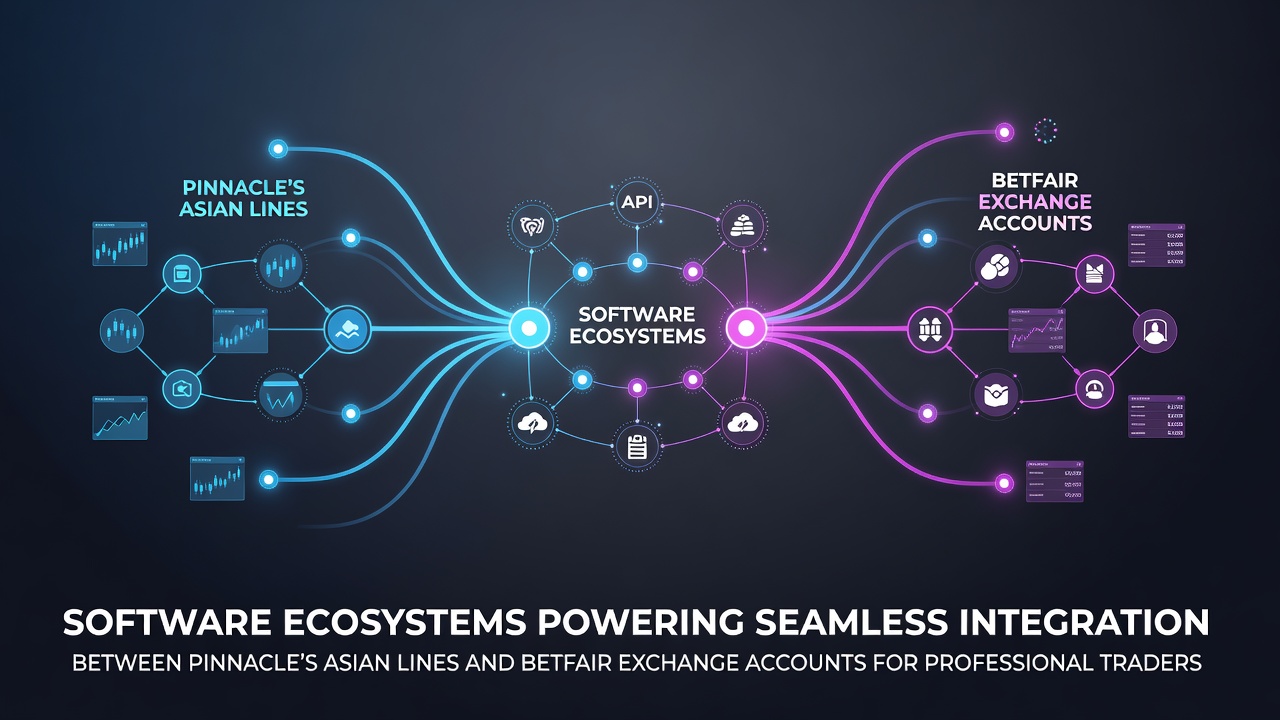
Software ecosystems have developed to handle direct data exchange between Pinnacle's Asian betting lines and Betfair exchange accounts, allowing professional traders to route odds and execute positions without manual intervention. These platforms pull live Asian handicap prices from Pinnacle, which often reflect sharper lines due to higher limits and lower margins, then map them against Betfair's order book liquidity for matched betting strategies.
Core Components of Integration Systems
Modern integration tools rely on API connections that synchronize Pinnacle feeds with Betfair accounts in real time, using secure authentication protocols and automated reconciliation processes. Traders set parameters for price thresholds, stake sizing, and arbitrage windows, after which the software executes trades across both platforms while logging all transactions for compliance records.
Data pipelines in these ecosystems process thousands of events per minute, converting Pinnacle's Asian line formats into Betfair-compatible structures and adjusting for currency, time zones, and market depth variations. Observers note that such systems reduce latency to under 200 milliseconds in many cases, which matters when odds shift rapidly during live events.
Key Features Supporting Professional Workflows
Automated hedging functions form a central element, where software monitors Pinnacle lines and places corresponding lay or back orders on Betfair to lock in margins when discrepancies appear. Risk management modules track exposure across multiple accounts, applying position limits and stop-loss triggers based on user-defined rules rather than manual oversight.
Reporting dashboards compile performance metrics from both sources, including volume traded, margin realized, and slippage encountered during execution. These outputs feed into external accounting systems for tax and audit purposes in jurisdictions where operators require detailed records.

Developments Observed Through October 2026
By October 2026, several software providers expanded their connector libraries to support additional Asian bookmakers alongside Pinnacle, while strengthening encryption layers to meet evolving data protection standards across multiple regions. Industry reports from the American Gaming Association indicate rising adoption rates among high-volume traders seeking consistent access to sharp prices without separate logins.
One documented case involves a trading desk that implemented a custom middleware layer between Pinnacle's API and Betfair's exchange endpoints, resulting in measurable improvements in order fill rates during peak football markets. Another example shows European operators using similar tools to route tennis and basketball lines, where Pinnacle's early pricing often precedes adjustments on exchange platforms.
Regulatory and Technical Considerations
Operators must ensure that integration software complies with licensing requirements in the jurisdictions where accounts operate, including audit trails that capture every data packet exchanged. Figures from the European Gaming and Betting Association highlight how standardized API documentation has reduced integration errors for firms bridging multiple betting environments.
Security protocols within these ecosystems incorporate multi-factor authentication, IP whitelisting, and session monitoring to prevent unauthorized access. Technical teams routinely test failover mechanisms that reroute traffic if one endpoint experiences downtime, maintaining continuity for active positions.
Conclusion
Software ecosystems that link Pinnacle Asian lines with Betfair exchange accounts continue to evolve through incremental API improvements and expanded market coverage. These systems deliver structured data flows that support automated decision-making while maintaining records required by regulatory frameworks in various markets. As of October 2026, adoption patterns show continued reliance on such tools among professional traders managing cross-platform positions.